











Over the years, the ownership of Tesla was surrounded by a reassuring story: they were not like the other cars. They were software-driven, future-proof, and on-demand. Teslas were not supposed to be affected by depreciation, unlike traditional cars. However, the reality has come down to earth today, at least to many owners who have been struggling to sell. Tesla values are not only dropping, but they are leaping off a cliff.
A 2022 Model Y Long Range, purchased at the beginning of 2022 for approximately $63,000, can now hardly be sold on the black market for $40,000. Carvana, CarMax, or even Tesla itself’s trade-in offers are even lower. Proprietors are looking at a loss of more than $20,000 in less than three years, and in others, it is nearly $27,000. That is about $700 per month in depreciation alone, before considering insurance, charging, or even maintenance.
When New Cars Are Competing With Used Cars
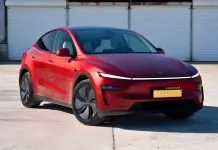
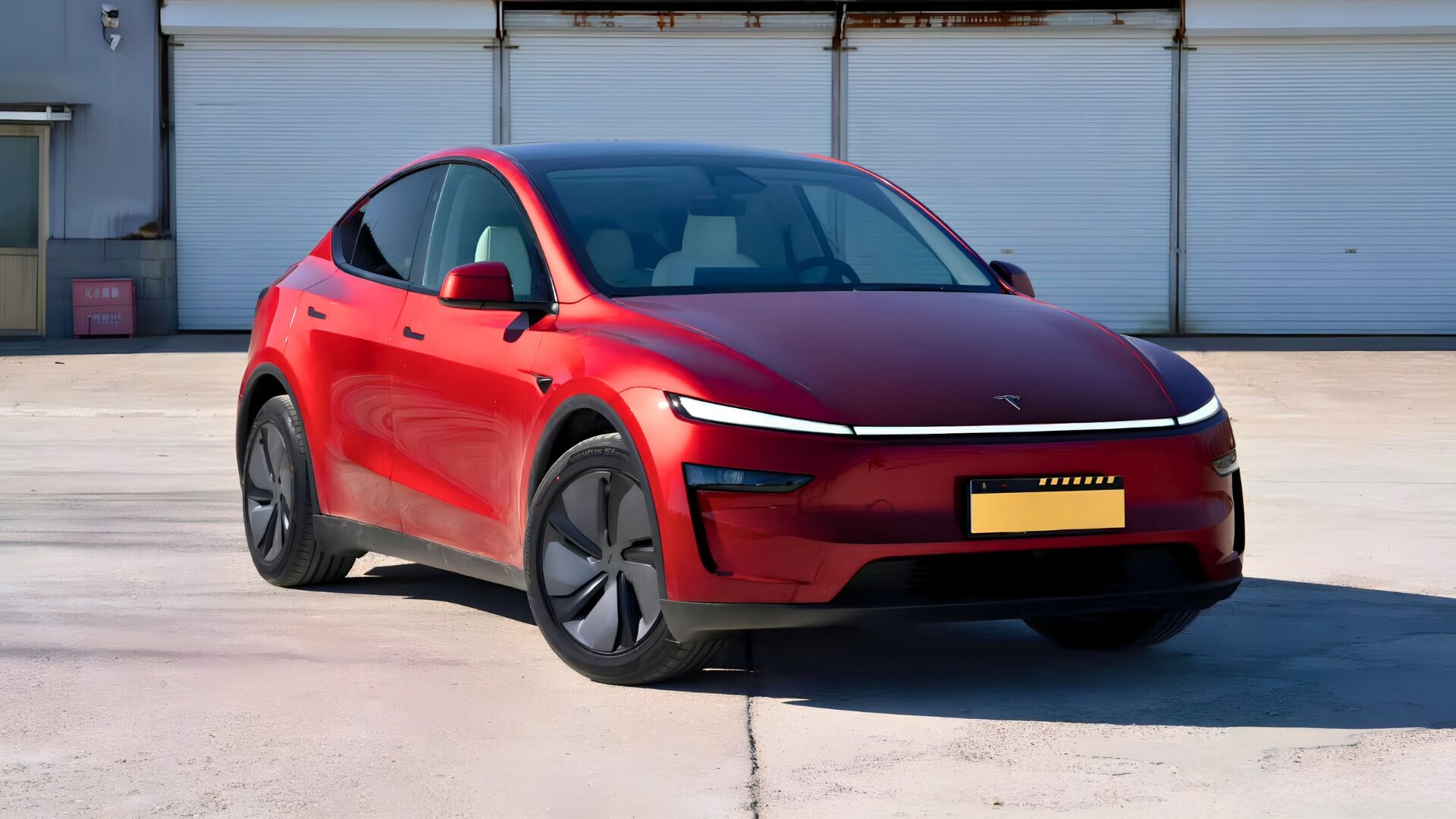
The reason why this situation is particularly painful is that the numbers do make sense. Since 2023, Tesla has cut the prices of new vehicles on several occasions, entirely resetting the market. The 2025 Model Y can now be bought in the mid $40,000 range, occasionally under with incentives, and it is brand-new.
The depreciation on my 2022 Model Y is genuinely insane – anyone else getting absolutely wrecked on resale value right now?
byu/whydidyounot inRealTesla
It is simple math on the side of a buyer. What is even more absurd is that a 2022 Model Y with more than 40,000 miles will cost you $40,000 when a new one with a full warranty only costs a few thousand dollars more. This relationship has made used Tesla sellers their own direct competitors with Tesla itself – a fight that the individual owners cannot win.
Pricing Strategy and the Fallout in the Used Market of Tesla
Depreciation models of the traditional type are based on a stable new vehicle price floor. Tesla disproved that belief. By aggressively cutting prices to maintain sales volume and market share, the company effectively torpedoed resale values overnight.
Buyers during the pandemic were in a special way disadvantaged. Tesla was operating in a temporary setup of supply chain, supply and demand shocks, gas prices, and EV hype, where Tesla seemed to have or even gained value. The majority of purchasers thought that they were making a financially safe choice. That perception failed when Tesla focused on expanding as opposed to safeguarding residual values.
Are Teslas Still Worth Owning?
The vehicles are strong, even though this has had a financial blow. The battery health is usually good (residing around 90%), and the cost of maintenance is also minimal, and the software updates keep the driving experience better. It is not the car itself but rather the economics of it.
There is no easy way out for owners who have to sell because of relocation or being strapped by financial constraints. It is risky not to reduce prices until they recover because Tesla can reduce the prices of new cars at any time. Accepting the best offer that is available and moving is not always the most painful alternative.
The Tesla as an Investment Myth Ends
The greatest thing that this resale bloodbath has taught me is plain and simple: Teslas are not investments. They wear out like smartphones rather than old-fashioned cars when there is only one producer and the price has been predetermined overnight by the producer who is ready to change the market.
This has been a bitter but enlightening experience for many owners. The moral of the story is not to purchase Teslas; it is to purchase them clearly in mind. Have fun with the technology, drive the car, and never think that the resale value is assured in a market that can change that quickly.