
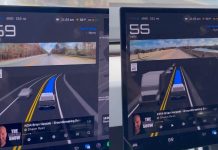

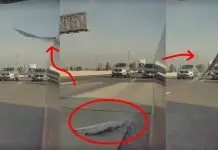



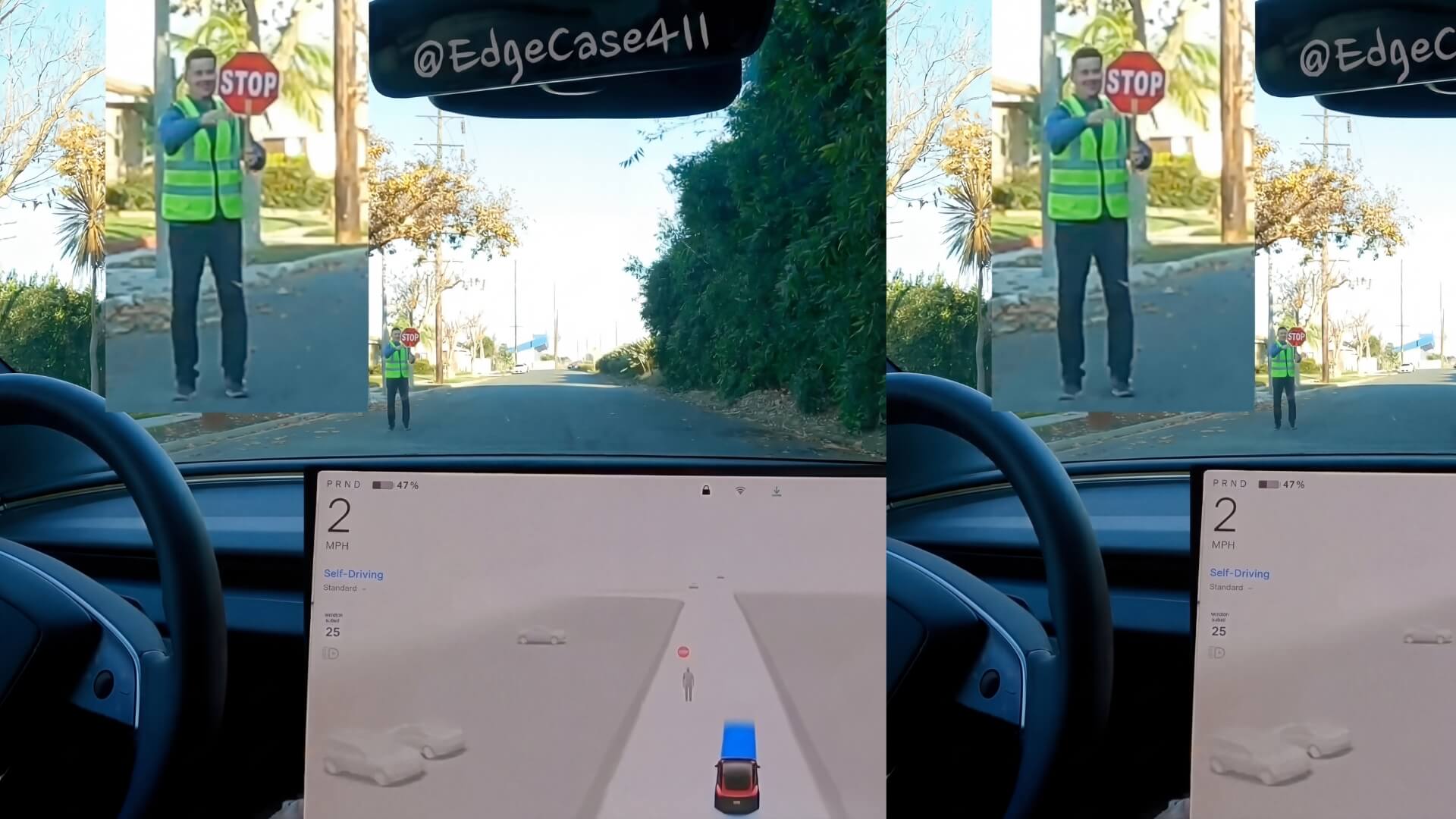
A video that is currently going viral presents an interesting event in the development of Tesla Full Self-Driving (Supervised) v14.2.1. In the video, a road worker is standing in front of a Tesla with a handheld stop sign, and at the same time, gestures the driver onward. Despite conflicting cues, the Tesla correctly interprets the gesture of going and prioritizes it over the human gesture. This situation offers a good learning experience of how advanced driver-assistance systems have started to behave in real-world scenarios that had only been comprehended by human drivers.
Human Gestures vs. Static Signage
In the case of human drivers, this hierarchy is natural: an individual in charge of the traffic overrides the signage. Hand gestures convey instant intention that is not communicated by signs, whether in school zones, construction zones, or cases of emergency. In the case of autonomous systems, though, this has been a high-level problem. The conventional rule-based algorithms can be particularly problematic when they are faced with conflicting inputs, leading to reluctance or unsafe behavior.
This is the first version where I’m confident FSD is actually responding to hand gestures, not just waiting for the person to move out of its path or turn away. pic.twitter.com/dsG50M0Et9
— Edge Case (@edgecase411) December 1, 2025
The opposite can be proved by the vision-based stack of Tesla that is now unified into its v14 single-architecture approach. In the video, the system recognizes the worker, identifies their gesture, and lets them go on by coming forward, despite the stop sign. This action underscores the fact that the model can read the human mind, instead of strictly adhering to the immutable signals.
An Examination of the FSD Visualization
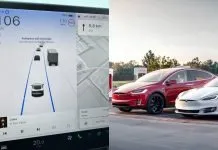
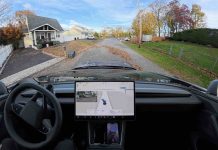
The touchscreen display within the Tesla is significant in comprehending the manner in which the system processes the scene. When the worker moves the car with his hand, the display makes the individual make a definite gesture posture, which indicates that the neural network is not merely identifying a pedestrian, but differentiating the gesture itself. This depiction indicates that the interpretation of gestures has been well incorporated into the perception layer of Tesla as opposed to being considered as a side feature of the product.
This is possible as a result of the data-driven development philosophy of Tesla. Instead of using handcrafted rules, the system is based on learning patterns using millions of real-world and simulation-based training examples. Edge cases, such as temporary road control and workers in the construction industry indicating traffic forwarding, are constantly improved using fleet information and controlled with supervision.
The Relevance of Gesture Recognition
One of the final grand frontiers of autonomous systems is dynamic, human-directed traffic control. Even construction sites, emergency detours, or the school drop-off that is usually busy demand that drivers know non-verbal communication. A system that is unable to reliably decode gestures would often become stagnant and misunderstand the intent or behave in a way that cannot be predicted in new situations.
FSD v14.2.1 is more responsive to the situation as it responds well to a definite forward-waving gesture. It portrays something significant in the move towards an autonomous system that is more natural and safe within a mixed human-robot system.
Challenges and Limitations
Although the demonstration was positive, there are a number of unanswered questions. Interpreting gestures is relative, though cultures, regions, and individual workers interpret gestures differently. A big sweeping motion can be identified readily; however, finer movements, a motion made when attempting multiple tasks, or a command spoken in low-light areas might challenge the accuracy of the system.
Another problem is also conflicting authority. When a worker is standing with a stop sign in their hand and waving at a driver, it is ambiguous, and although a human being is used to prioritizing such a gesture, there is always a chance of being misunderstood.