
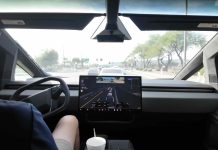



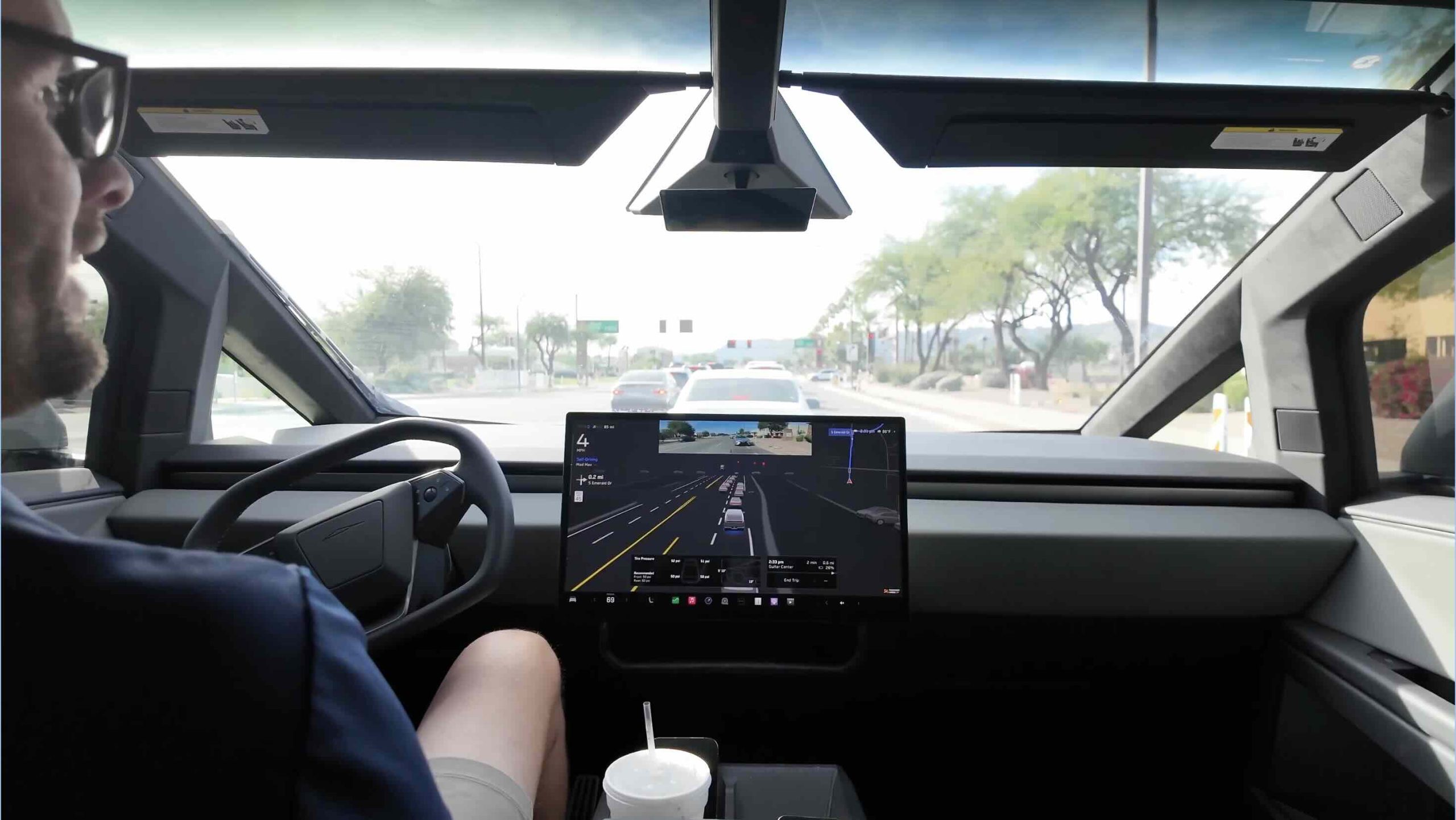
In another breakthrough in the future of automated driving in Europe, the European Commission has affirmed that Tesla’s Full Self-Driving (FSD) Supervised system might be legalized to operate in the European Union via an Article 39 exemption process.
The official letter dated December 16, 2025, by the Directorate-General for Internal Market, Industry, Entrepreneurship and SMEs (DG GROW) of the Commission in response to an enquiry into the regulatory status of the advanced driver-assistance technology of Tesla confirmed it.
The letter states that Level 2+ systems, such as FSD Supervised, have certain safety concerns since they necessitate constant involvement and accountability of the driver. However, the Commission clarified that these types of systems may fall under existing EU regulation of driver-assistance technologies- namely under UN Regulation No. 171, which regulates Driver Control Assistance Systems (DCAS).
The Regulatory Pathway
The United Nations Regulation No. 171, which was elaborated at the United Nations World Forum on ensuring the harmonisation of motor vehicle regulations (UNECE), forms the basis for certifying advanced driver-assistance systems in Europe. The FSD offered by Tesla, however, has features that are already not covered by this regulation.
That is why its acceptance would need another method of regulation. The Commission suggested potential mechanisms like pilot programs nationally, safety exemptions, or the coordination between the national authorities and the EU institutions in order to guarantee compliance and safety.
More importantly, the letter emphasizes the current activity in the UNECE connected and automated vehicles working group that tries to broaden the scope of DCAS-enabled systems. Such development would eventually support more sophisticated functions such as those provided in the Tesla FSD package, should road safety be proven.
Received this response from the European Commission today, regarding Tesla's Full Self-Driving (FSD) Supervised system and its potential deployment in the EU. It highlights challenges with Level 2+ automation, references UN Regulation No. 171, and notes no Article 39 exemption… pic.twitter.com/4StJL37kUY
— Christian Nielsen (@Nielsen_1971) December 16, 2025
The Role of Article 39
Article 39 of the EU type-approval system for motor vehicles highlighted by the European Commission letter gives the legal foundation to support exemptions of innovative technologies that can provide an equivalent level of safety as the known approved systems. This article is the key entry point through which Tesla can implement its FSD technology in Europe before other areas can update their regulations.
Practically, this implies that in case Tesla can prove that FSD Supervised provides comparable safety performance to that of the existing approved driver-assistance systems (or an even greater safety performance), the exemption will be granted under Article 39. These exceptions will enable manufacturers to roll out innovative technologies on a small scale, and the EU will assess the safety of these and their ability to be used globally.
The letter by the Commission, however, explains that no official application by any national type-approval authority to be granted an Article 39 exemption has been made so far. Under EU rules, the first stage is to gain approval on the national level, most probably via the Netherlands Vehicle Authority (RDW), which has previously served as the type-approval authority in Europe in relation to Tesla.
Next Steps and Timeline
The RDW will be finished with its evaluation of the FSD system of Tesla by February 2026, according to the industry sources. Having completed this analysis, the RDW might request an Article 39 exemption from Tesla with the European Commission formally. This would be a significant milestone in the case of its approval, as Tesla would implement the FSD Supervised to European clients on controlled conditions.
Monitoring would be done with a tight leash as well, and Tesla would be called upon to deliver data on the functionality of the system, interaction with the driver, and safety results. Such data would guide national-level and EU-level decisions regarding future legislative frameworks of greater automation of vehicles.