


Tesla has reached a significant milestone in the direction of autonomous driving, with 1.1 million active Full Self-Driving (FSD) subscriptions announced by the company at the end of 2025.
The announcement was made when Tesla reported its 2025 fourth-quarter earnings, and it is the first time the company has officially disclosed its total FSD subscriber base. The number highlights the importance of central autonomy driven by software to Tesla’s long-term vision, despite the technology being subject to increased regulations, legal scrutiny, and safety oversight.
Tesla said FSD (Supervised) subscriptions increased 38% annually, up to approximately 800,000 a year later, 1.1 million by the end of 2025. With a subscription fee of $99 per month, the recurring stream of revenue is the subscription model that Tesla is finding to be more strategically vital than the sales of the vehicles themselves. The one-time purchase option of FSD has also been abandoned by the company, further promoting its subscription-based approach as the future of monetizing autonomy.
A Critical Pillar of Elon Musk’s Ambitious Vision
Making FSD a reality is not only a business objective, but it is also closely connected with the compensation plan offered by Elon Musk. The sale of 10 million FSD subscriptions is one of the most aggressive milestones associated with the potential pay package of $1 trillion offered by Musk. With 1.1 million subscribers now on the books, Tesla is more than one-tenth of the way toward that goal
Musk has repeatedly stated that Tesla’s future lies in autonomy, artificial intelligence, robotics, and energy, rather than being defined solely as an electric vehicle manufacturer. “The future is autonomous,” Musk has said, emphasizing that software margins and transportation as a service model could eventually dwarf profits from car sales.
Outpacing Rivals in the Autonomy Race
The number of Tesla’s FSD subscribers is almost twice the number of General Motors’ Super Cruise, GM’s hands-free driver-assistance system. Where Super Cruise will work on highways that have been mapped in advance, Tesla FSD will work on city roads and navigate the intersection, traffic lights, and city environment.
This expanded area of operation has seen Tesla develop a wider user base, especially among drivers who have been fascinated by the future of autonomous driving, where the car will move almost entirely on its own. It is, however, also more revealing of the system to higher complexity and risk compared to less constrained competitors.
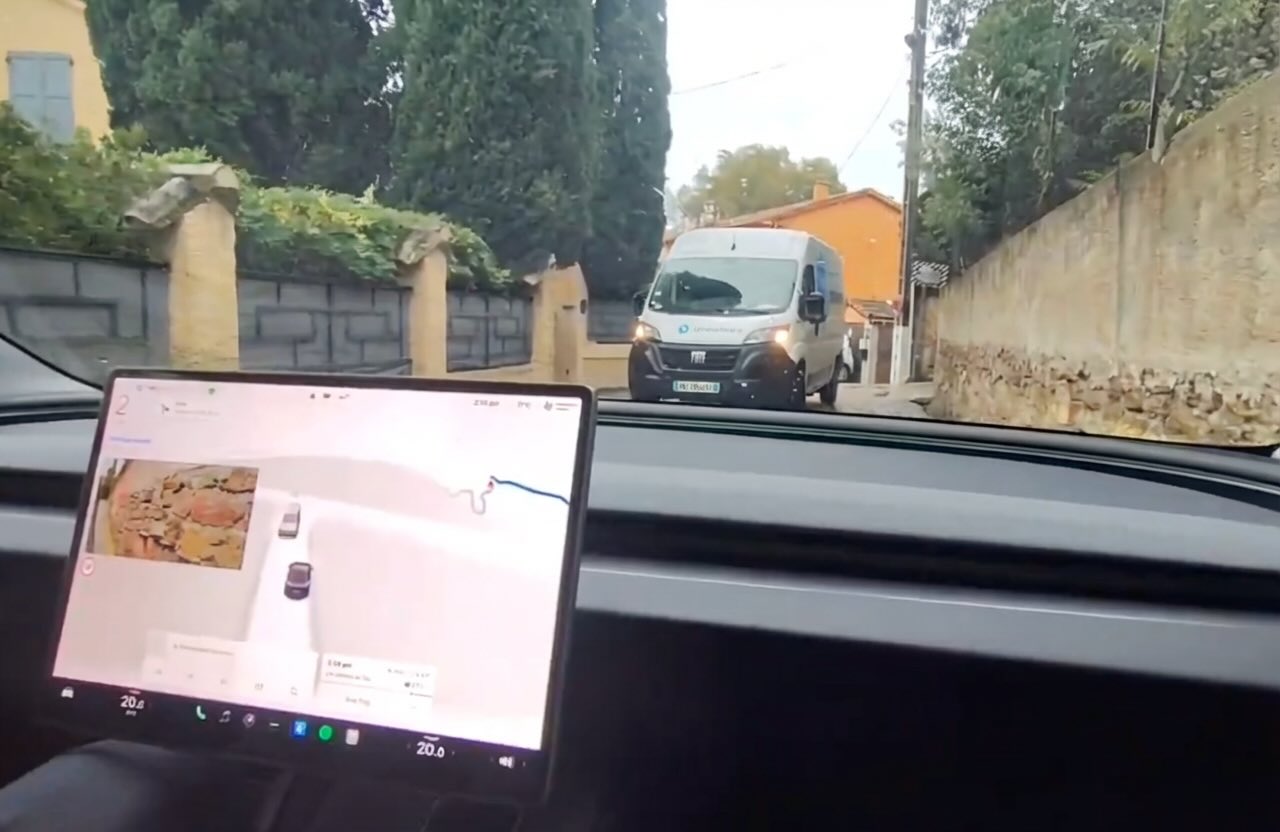
Tesla’s FSD Software is already running its Robotaxi service, which recently started operating in Austin without human safety supervisors. Musk has also mentioned that the service will extend to other cities in the U.S. in 2026, such as Dallas, Phoenix, and Miami. Though it is not clear that the reported FSD subscription figures at Tesla cover the vehicles within its own Robotaxi fleet, the overlap proves the point of the growing interdependence between consumer and commercial autonomy in software use.
On the earnings call, Tesla’s engineering VP Lars Moravy framed the shift in a very short manner because the company should now be seen as a service that offers transportation, and not as one that sells cars. This view was also shared by Musk, who noted that most of the miles covered in the future would be autonomous.