



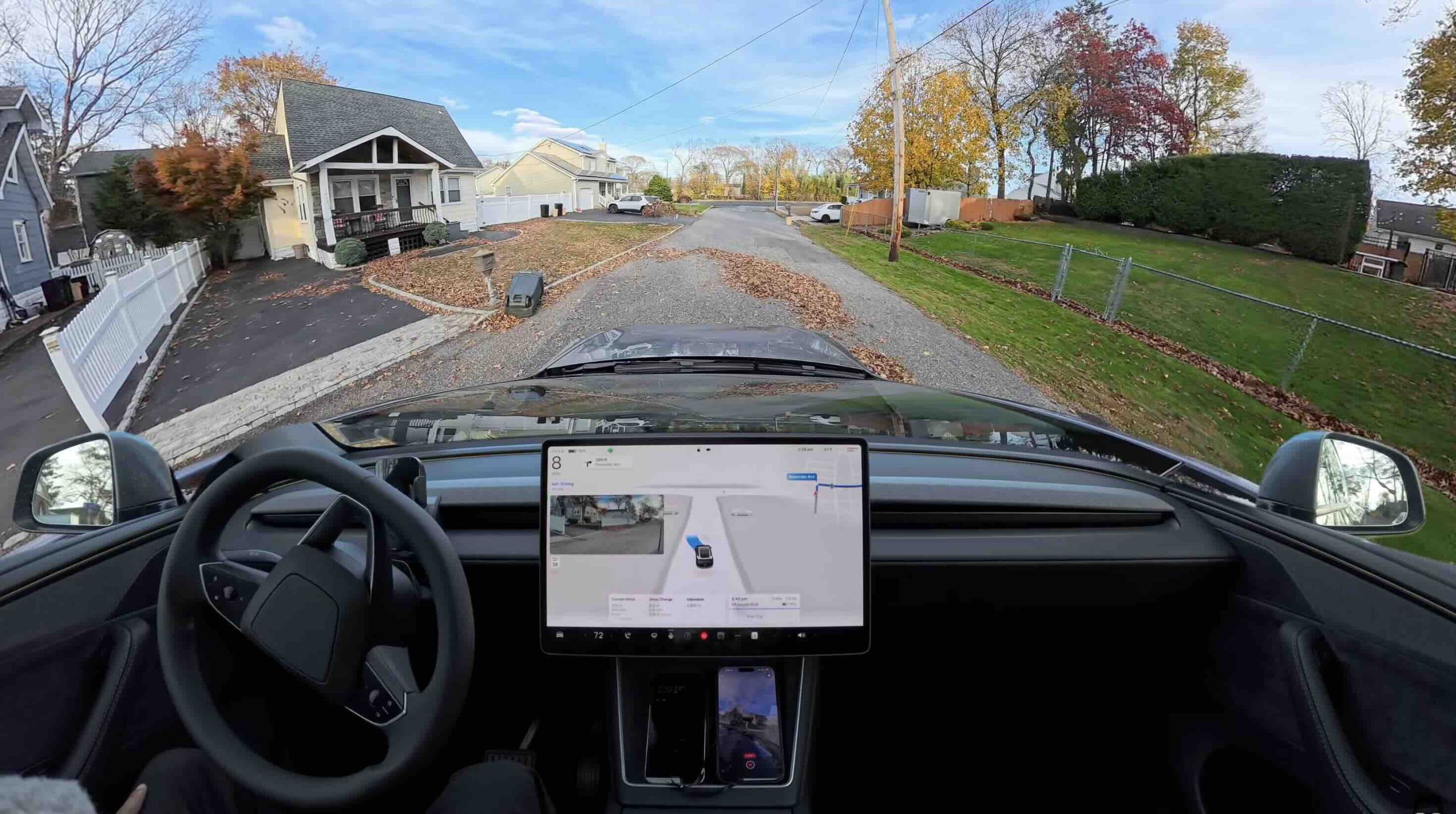
Tesla is once again reshaping the future of its software business. Starting this February, the EV giant will no longer sell its Full Self-Driving (FSD) software as a one-time purchase and switch to a system of subscriptions only. Tesla CEO Elon Musk validated the change on X, which is a significant change in the manner in which one of the most contentious and discussed features of Tesla would be sold.
Till now, Tesla has been selling FSD in two options: an expensive bundle and a subscription. Although the subscriptions were introduced at the end of 2022, the customers could always choose to have FSD permanently unlocked. That is currently going out of business.
Customers wishing to have FSD in the future will be forced to pay a monthly fee, which is currently quoted at $99. This action essentially kills the day of possession of Full Self-Driving. To most people, this solidifies the transformation of Tesla as an old car maker into a software-based firm where the features are rented instead of purchased.
Why Tesla Is Pushing Subscriptions
Tesla did not provide the reasoning behind the change officially, yet the incentive appears obvious. Subscriptions generate ongoing revenue, which is a favorite with investors. The larger car industry is already moving that way, with other car manufacturers such as Ford and General Motors charging a fee of a month to use a sophisticated driver-assistance system.
Another practical argument is there. FSD is costly to afford at the present one-time price of approximately $8,000. It would be close to 6.5 years, 80 months to be exact, to break even at the price of $99 per month. Tesla users do not necessarily keep their vehicles that long, which makes subscriptions a more adaptable and cost-effective way of using their vehicles.
A Better Deal for Consumers or a Necessary Evil?
As a consumer, subscriptions are both advantageous and disadvantageous. On the positive side, owners will be able to experiment with FSD for a month or two without making the thousands of dollars of initial commitments. With FSD being an eyes-on system, and still requiring the full attention of the driver, not autonomy, many consumers will be interested in paying only on the occasions when they see the feature handy.
Buyers are also future-proofed through subscriptions. FSD is not included in the sale of a car to a new Tesla, except in exceptional cases during promotions. Some of the owners who offered huge amounts of money previously did so believing that complete autonomy was soon to come. This promise is yet to be implemented years later.
On the negative side, FSD is another financial commitment per month, which will add to the long list of online subscriptions that people have to maintain now, and that includes streaming platforms as well as the internet connection.
Another possible factor is regulatory scrutiny. Tesla is facing increased attention, particularly in California, over how it markets its partially automated driving features. Moving FSD to a subscription-only model could give Tesla room to rebrand the software, distancing itself from earlier promises without directly admitting shortcomings in capability.
The Hardware 3 Question
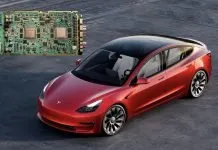
However, the biggest uncertainty is related to the Hardware 3 (HW3) Tesla cars. It has been noted that although Musk once claimed that HW3 cars would attain complete autonomy, he now acknowledges that this is not likely to happen. Tesla has indicated that it will provide retrofits to the owners who purchased FSD directly.
This poses a question to HW3 owners who did not purchase it directly but took FSD as a subscription. Others who bought Teslas based on a dream of having a robotaxi in the future and passive income. But now their long term outlook is doubtful with the move to subscription only.