









Mark Carney has announced a new strategic partnership with China, which will dramatically cut tariffs on Chinese-made electric vehicles (EVs) entering Canada in a move that can profoundly change the existing market of electric vehicles in North America. This deal is a sharp departure from the harsh protectionist approach by the United States, which has gone all the way to exclude Chinese EVs in the North American market by imposing high tariffs.
During the last two years, Canada also mostly assimilated to the policy of Washington. Once the U.S. introduced a 100% tariff on Chinese EVs, Ottawa introduced the same surtaxes and essentially put brands such as BYD, Nio, and Zeekr on hold in Canada. That time now seems to be coming to a close.
The Specifics of the EV Quota Deal
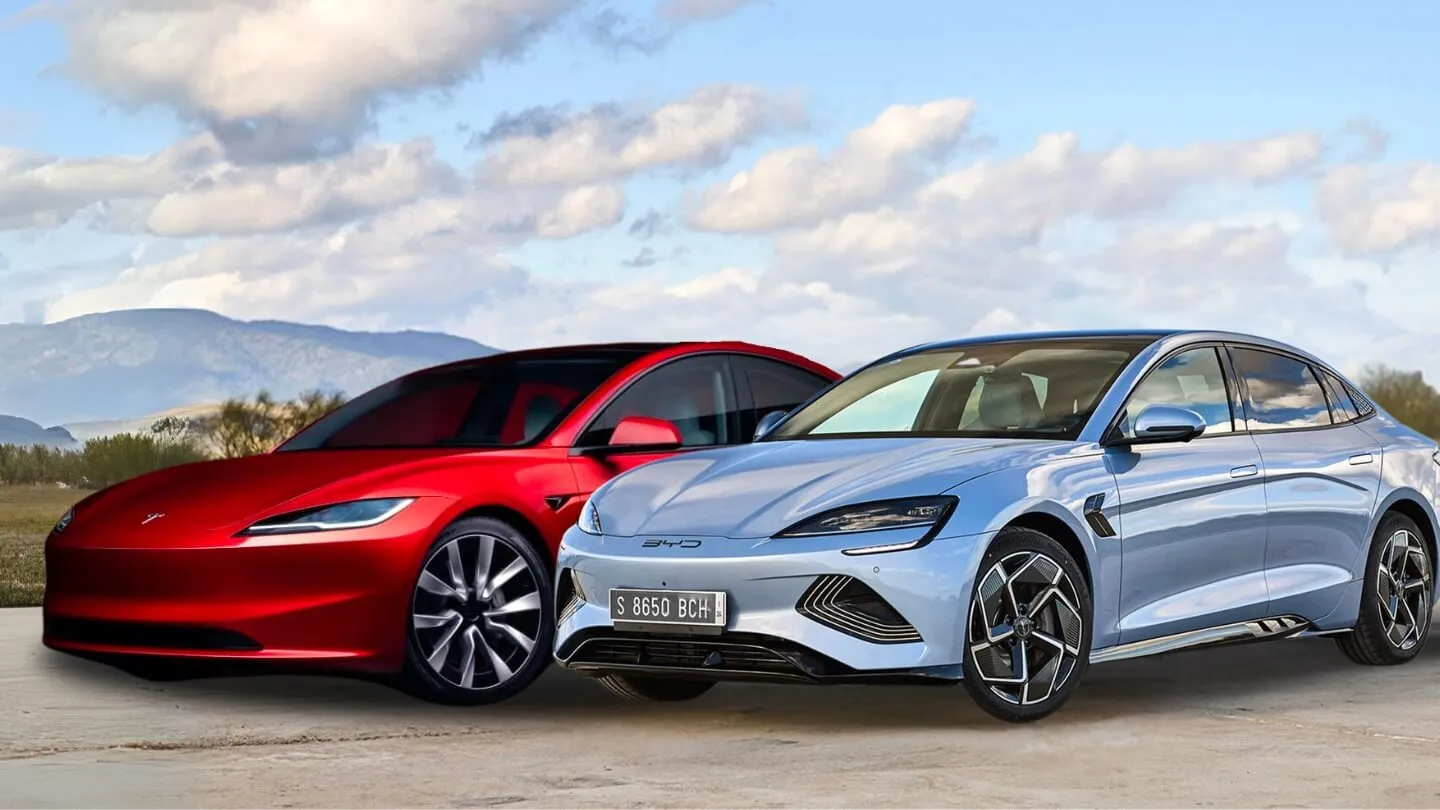
The new agreement will see Canada admitting 49,000 Chinese electric vehicles each year at a tariff rate of only 6.1. Although this figure is barely less than 3% of the total new vehicle market in Canada, the policy is not randomly chosen. The Prime Minister’s office insists that it emphasizes affordability and not volume.
The government predicts that the imports of EVs with an import price of less than CAD 35,000 will be over 50% of the imported EVs in this quota within five years. That puts the way to truly affordable electric cars, which have been mostly lacking in the Canadian market. The BYD Seagull, which is already popular in other parts of the world due to its low cost and good range, can be found on Canadian roads as early as this year.
What Canada Gets in Return
The contract is not restricted to vehicles. China has committed to lower tariffs on Canadian canola seed, initially 85% to 15% in return for reducing tariffs on Canadian lobster and crab exports. These compromises are important to the agricultural and fishing industries in Canada that have not been performing well due to the former trade barriers.
From the Ottawa point of view is more than just a deal of cheaper cars. It represents a larger trade rebalancing initiative that helps the major export industries, in addition to furthering climate and affordability objectives back home.
Joint Ventures and Domestic Investment
Another interesting element in the deal is the need to focus on joint ventures. The transaction expressly indicates that it will attract more new Chinese investment in the domestic EV supply chain of Canada. This involves any possible production, battery production, and associated infrastructure.
In leveraging access to imports, Canada seems to be borrowing a page from the Chinese playbook, inviting foreign companies to invest in Canada, in an effort to get entry into the market. That would ultimately lure big players not only in the vehicle-making business but also in batteries and energy storage, which may also involve such companies as CATL.